
 Written by
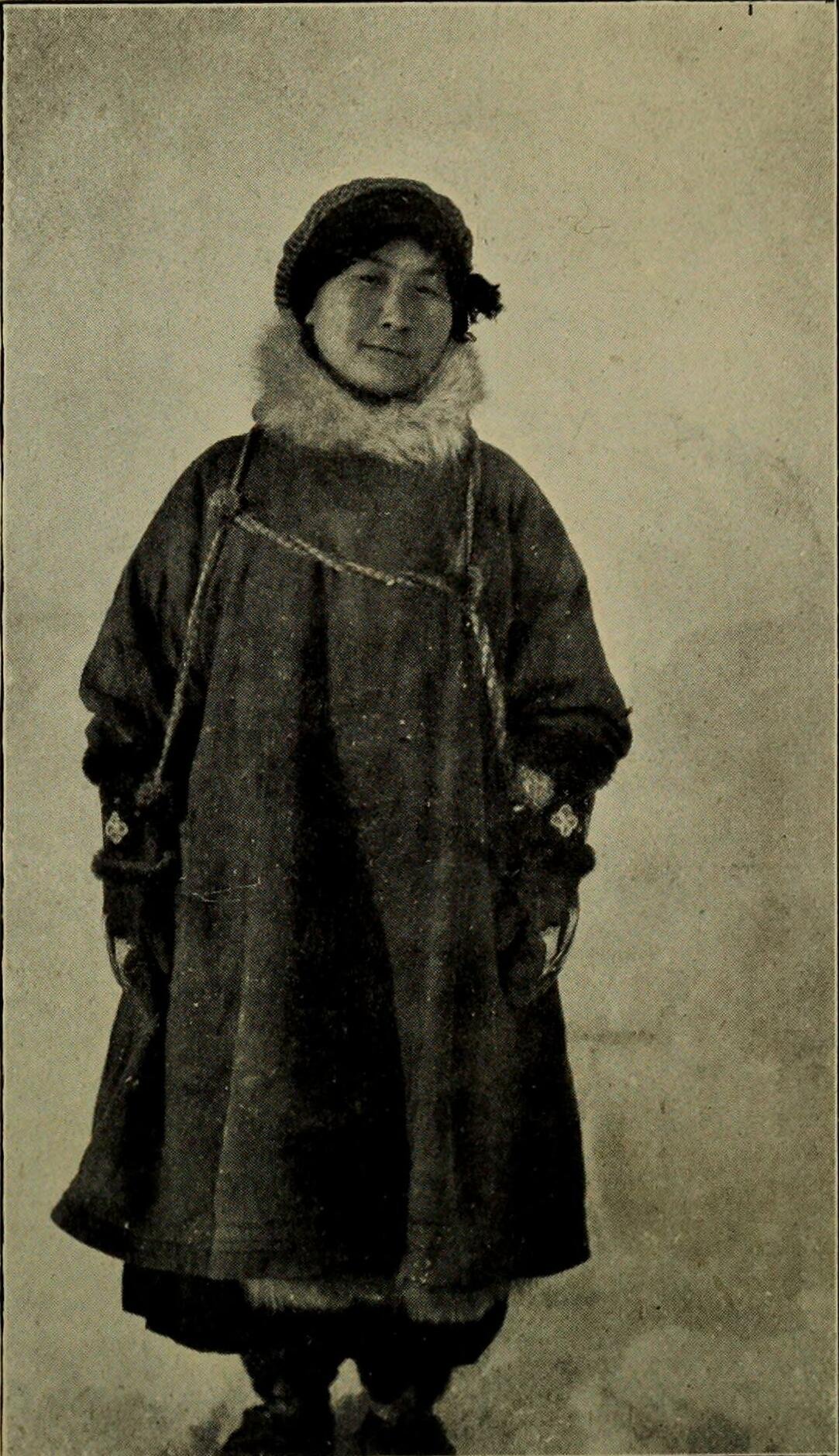
In September 1921, five people were left on an Arctic island: four experienced men and one young woman who had never hunted, never trapped and had never been that far from home. Two years later a ship came back for them. Only one person walked down to the beach to meet it. It was her.
Fifty dollars a month
Ada Blackjack was born in 1898 in a small settlement on the Seward Peninsula of Alaska. She learned English, cooking and sewing at a mission school in Nome. She married young, the marriage went badly, and of her three children only one survived infancy, a boy called Bennett. Bennett had tuberculosis, and Ada could not afford his care.
In 1921 the explorer Vilhjalmur Stefansson was sending a small team to Wrangel Island, off the north coast of Siberia, to claim it for Canada and Britain. The team needed a seamstress who could make fur clothing. The pay was fifty dollars a month, more than Ada could earn in Nome. She was afraid, but it would pay for Bennett. She signed.
The ship that never came
On 15 September 1921, a ship left the five of them on Wrangel Island with supplies for about six months: Allan Crawford, the 20-year-old leader, the Americans Lorne Knight and Fred Maurer, 19-year-old Milton Galle, and Ada. A ship was supposed to bring more supplies the next summer. In 1922 the sea ice around the island was too thick, and the ship turned back.
The second winter was hard. Food ran low, and by January 1923 Lorne Knight was seriously ill with scurvy. On 28 January, Crawford, Maurer and Galle set off across the frozen sea toward Siberia to get help. They were never seen again.
Alone
For months Ada nursed Knight, chopped driftwood, and taught herself what the men had done. She set traps for white foxes. She learned to shoot. She built a lookout platform to watch for polar bears and kept a rifle above her bed. On 2 April 1923 she wrote a note in case she died, asking that her things go to her son Bennett.
Knight died on 23 June 1923. From then on Ada was completely alone, apart from the expedition cat, Vic. When the expedition’s boat was lost in a storm, she built a new one from driftwood and canvas.
The rescue
On 19 August 1923, the ship Donaldson pushed through the ice to Wrangel Island. The rescuers expected the worst. They found Ada alone and on her feet, with food stored and her traps set. Of the five people left on the beach, she was the only one who came home.
The newspapers called her the female Robinson Crusoe, but fame was not kind to her. Others wrote books about the expedition and made money from her story, and she received far less than she had been promised. Ada used what she did get for the one thing she had gone for: she took Bennett to Seattle for treatment. She died in 1983, at the age of 85. Her grave in Alaska says: Heroine, Wrangel Island Expedition.
What we can learn
Ada Blackjack was not an explorer. She was a mother who needed fifty dollars a month. When four experienced men could not survive the island, she did, because every morning she found one more thing she could learn to do.
Watch the full story (8 min):
Who in your family kept going when everyone else gave up? Their story deserves to be written down. Get free questions to ask them with our Life Story Question Generator, or start writing one chapter a day with the 40-Day Story Challenge.
Sources: Wikipedia, Ada Blackjack; Atlas Obscura, Ada Blackjack, Arctic survivor; Dartmouth Library, Ada Blackjack Diary; Bering Straits Native Corporation, Historical Spotlight: Ada Blackjack; Jennifer Niven, Ada Blackjack: A True Story of Survival in the Arctic (2003); Stefansson et al., The Adventure of Wrangel Island (1925).
Want to write down your own family’s stories? Start with our step-by-step guide: How to Write Your Life Story.