
 Written by
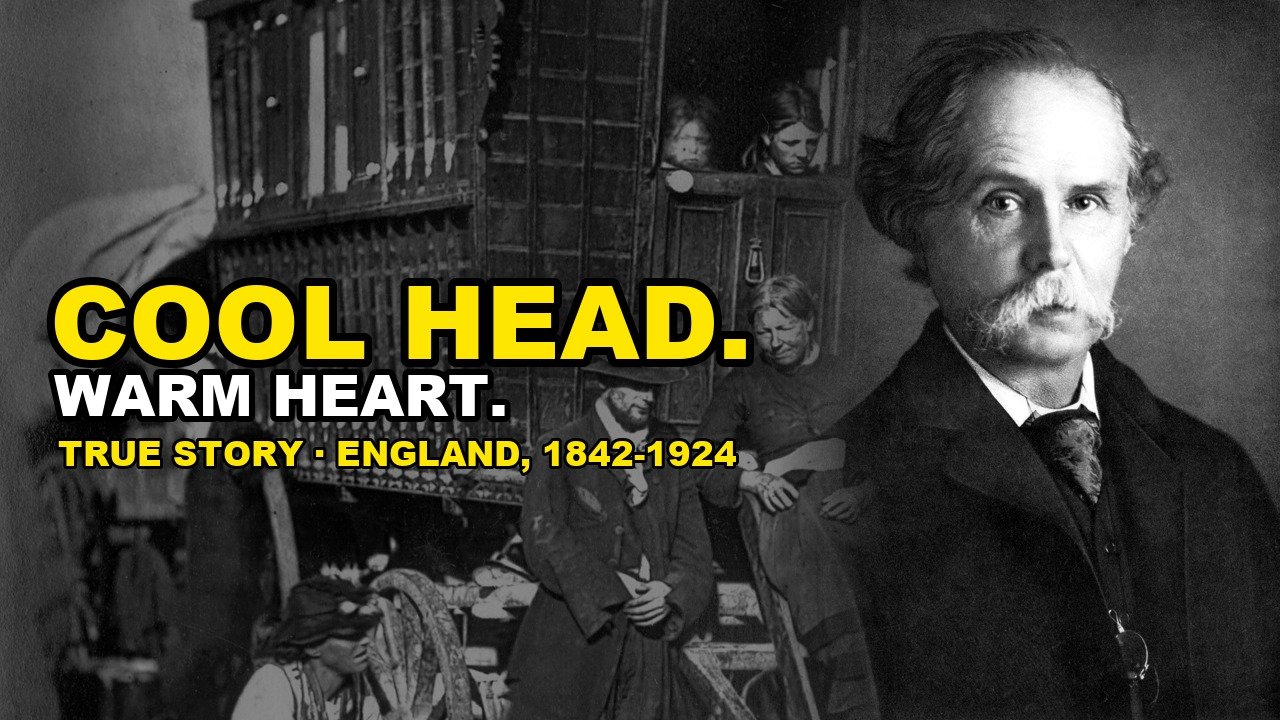
In a quiet house in Cambridge, one of the most respected thinkers in the world kept a cheap little painting above his fireplace. It showed a poor, worn-out working man. He had bought it for a few shillings from a shop window, and he called that man his patron saint. His name was Alfred Marshall, and that painting explains the whole of his life.
A bank clerk’s son who said no
Alfred Marshall was born on 26 July 1842 in Bermondsey, a working district of south London. His father, a strict clerk at the Bank of England, wanted him to become a clergyman. Alfred loved mathematics instead. He turned down a scholarship to study classics at Oxford and, with money lent by his uncle Charles, went to St John’s College, Cambridge. In 1865 he finished second in the university’s famous mathematics examinations.
Does poverty have to exist?
As a young teacher, Marshall walked through the poorest streets of English cities and looked into the faces of the people who lived there. He saw families working hard and still going hungry, and he asked a question that never left him: does poverty have to exist? Mathematics alone could not answer it, so he turned to a young and messy subject called political economy.
Mary, and a book for everyone
At Cambridge he met Mary Paley, one of the very first women to study at the university. She became his student, his co-author and, in 1877, his wife. In 1885 Marshall returned to Cambridge as Professor of Political Economy and asked for people with “cool heads but warm hearts”. In 1890 he published Principles of Economics, the book that taught the English-speaking world supply and demand, elasticity, marginal utility and the equilibrium price. His rule was simple: use mathematics only as shorthand, explain everything in plain English, and find real examples from everyday life.
He created the first economics degree at Cambridge in 1903, taught John Maynard Keynes, and died on 13 July 1924, aged 81. His books became the heart of the Marshall Library of Economics, where Mary worked for years as a volunteer librarian.
What we can learn
Marshall said no to the safe path, changed direction when he saw a bigger need, worked beside his wife as a true partner, and never let clever ideas drift away from real people. Most families have someone like that: a grandmother who always asked how the neighbours were managing, or a father who quietly used what he knew to help others. Their reasons are worth writing down. Get free questions to ask them, and start writing your own story at talesof.life.
Sources: Wikipedia (Alfred Marshall; Mary Paley Marshall); J. M. Keynes, Alfred Marshall, 1842-1924 (The Economic Journal, 1924); Alfred Marshall, Principles of Economics (1890). Photo: portrait of Alfred Marshall, Wikimedia Commons (public domain).