
 Written by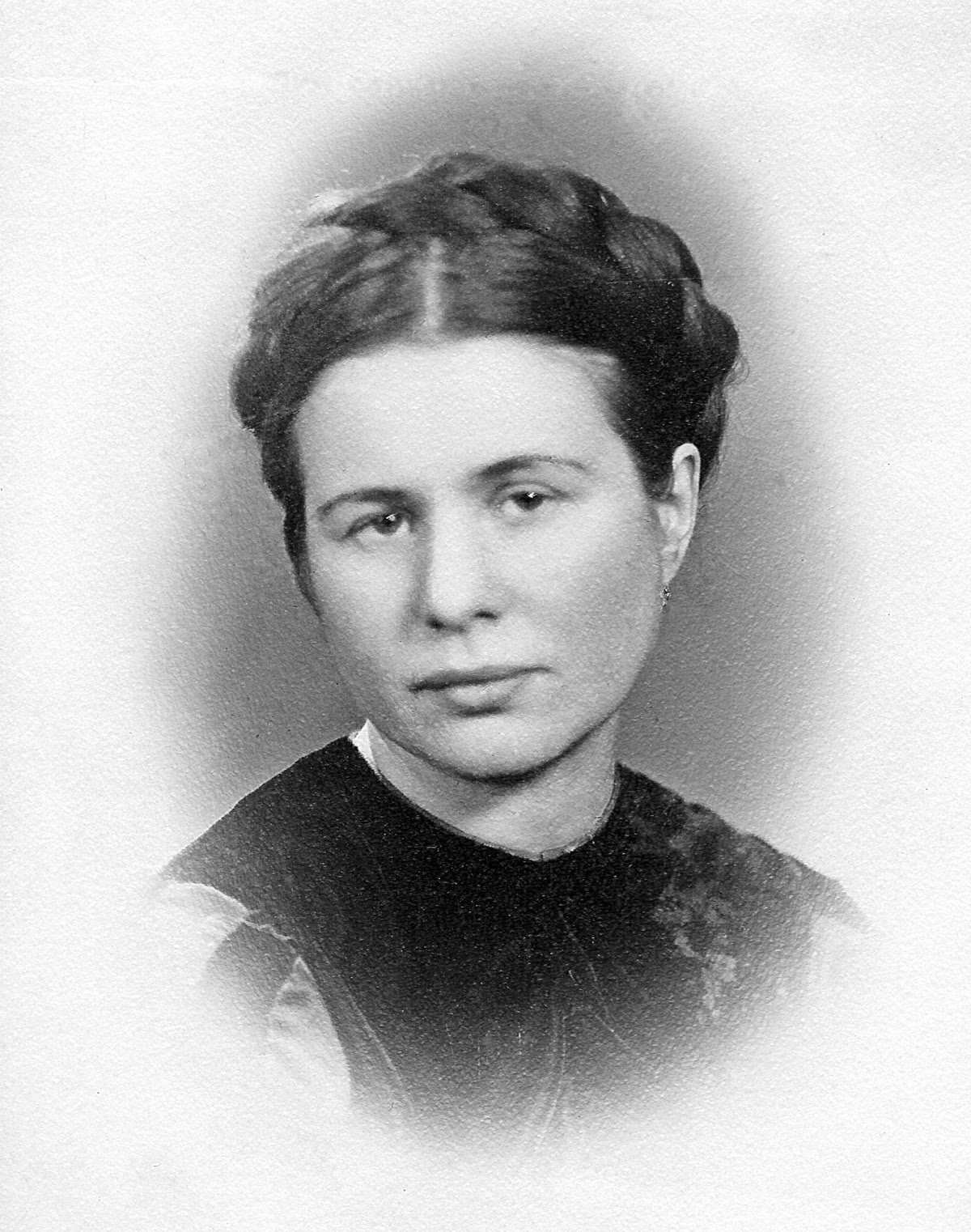
Somewhere in Warsaw, under an apple tree, there were glass jars in the ground. Inside them were thin strips of paper with names. They were not the names the children used now. They were the names their parents gave them. The woman who hid them believed that one day those names would be given back. Her name was Irena Sendler.
A social worker with a pass
Irena Sendler was born in 1910 and grew up in Otwock, near Warsaw. Her father was a doctor who treated poor patients, many of them Jewish, often without asking for money. He died of typhus caught from them when she was seven. She later said he taught her one simple rule: if you see someone drowning, you jump in to help, even if you cannot swim.
In November 1940 the Germans sealed about 400,000 Jews behind a wall in the middle of Warsaw. Irena worked for the city’s social welfare department, which fought epidemics. With her colleague Irena Schultz she obtained a pass to enter the ghetto to check for typhus. Inside, they brought food, medicine and money.
“Can you guarantee my child will live?”
In July 1942 the mass deportations to Treblinka began. The question was no longer how to feed the children, but how to get them out. Irena joined the underground Council to Aid Jews, Żegota, and in 1943 led its children’s section. Children were carried out in ambulances, in boxes and sacks, or led through buildings with one door inside the ghetto and one outside.
First, someone had to ask the parents. They asked the question she could never answer: can you guarantee that my child will live? She could not. For the rest of her life, she said, she heard in her dreams the crying of children leaving their parents.
Why she buried the names in jars
Once outside, each child received a new Polish name and false papers, and was hidden with a family, in an orphanage or in a convent. That created a terrible problem. If the children were hidden well enough, no one would ever know who they really were. So Irena wrote each child’s real name, new name and hiding place on thin tissue paper. According to her own account, the lists were buried in glass jars in a friend’s garden, under an apple tree.
In October 1943 the Gestapo came at night. The most important list was on the kitchen table, and her friend Janina Grabowska hid it in her clothes. Irena was taken to Pawiak prison, beaten and sentenced to death. She gave up no names. Żegota bribed a guard, who let her go on the way to her execution.
What the number really means
After the war the jars were dug up and the lists handed to the Central Committee of Polish Jews. Most of the parents had been murdered. Her story was almost forgotten until 1999, when high school students in Uniontown, Kansas, wrote a play about her called Life in a Jar.
Irena often said that her network saved about 2,500 children. Historians today say that number cannot be confirmed, and several believe it was lower. What is certain is that she took enormous risks, worked with a network of brave people, most of them women, and protected their secrets under torture. She died in Warsaw in 2008, aged ninety-eight, and never liked being called a hero.
The stories in your own family
The most striking part of her story is not the ambulances or the prison. It is the jars. In the middle of a war, she believed that a child’s real name was worth saving, because a person is not only a body to keep alive but a story: a mother, a father, a beginning.
Most of us will never face a choice like hers. But whose stories in your family exist only in someone’s memory? A grandmother’s childhood, the name of a village, the reason someone left home. They are not buried in jars, but they can be lost just as easily. The free Life Story Question Generator gives you one good question at a time to ask them, no account needed. Or join the 40-Day Story Challenge and get one question by email every day.
Sources: Wikipedia, POLIN Museum, Polscy Sprawiedliwi, USHMM Holocaust Encyclopedia, Jewish Virtual Library. Prefer to listen? This episode is also on Spotify.