
 Written by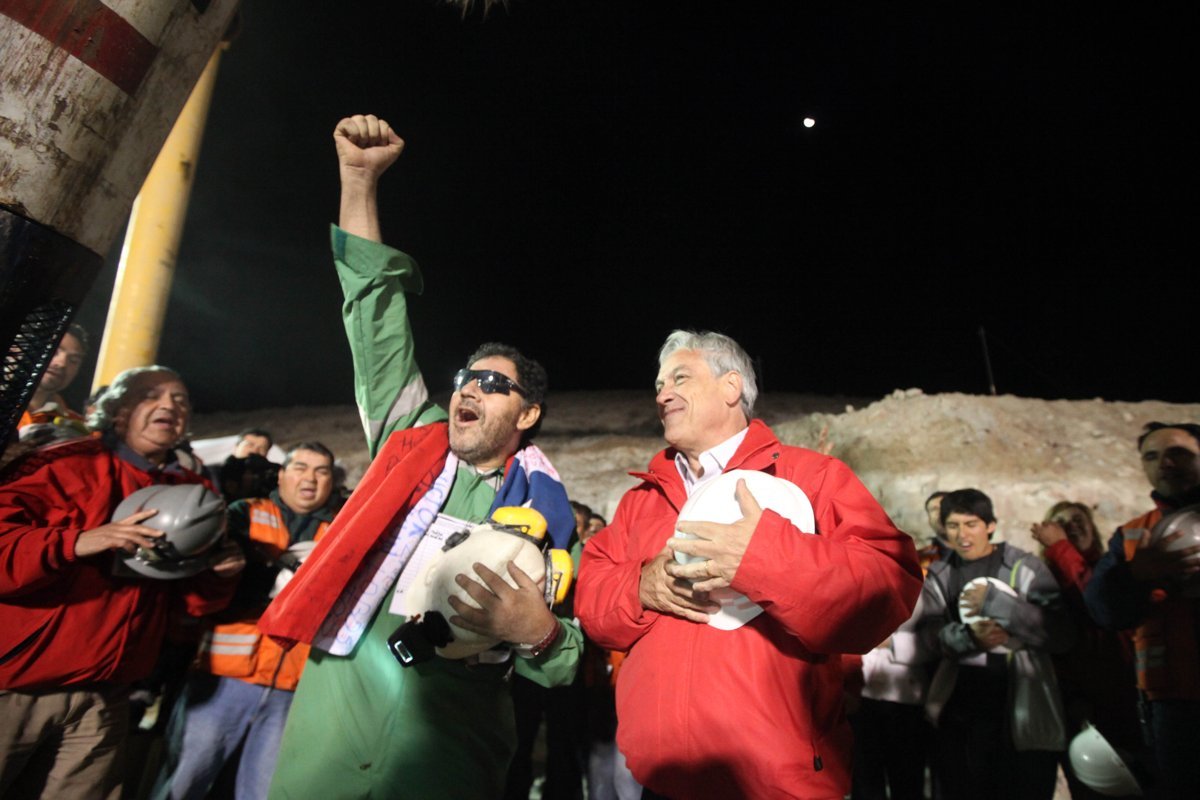
Two spoonfuls of tuna. A sip of milk. A bite of biscuit. That was dinner, every other day, for 33 men 700 metres under the Atacama Desert. The man who handed it out was Luis Urzúa, a 54-year-old shift foreman at the San José mine in Chile. He knew exactly how much food was left. He also knew that nobody on the surface knew whether any of them were alive.
The mountain moves
On 5 August 2010 the old San José copper and gold mine near Copiapó collapsed. A single block of rock the size of a building sealed the only ramp to the surface. A ventilation shaft ended in rock, and a second collapse closed that way too. Thirty-three men, from 19 to 63 years old, gathered in a small emergency shelter deep inside the mountain.
Forty-eight hours of food
Urzúa opened the emergency cabinet and counted: a few cans of tuna, some milk, biscuits and a little fruit. It was meant to keep a group alive for about 48 hours. He made one rule. Everyone gets the same, and nobody eats alone. Every other day each man received two small spoonfuls of tuna, a sip of milk and a bite of biscuit. It was not enough to stop them losing weight, but when they were found 17 days later, there was still a little food left.
Rules in the dark
The hardest part was not the hunger. It was the heat, the darkness and not knowing. Urzúa and the older men brought the order of a normal shift underground: jobs, sleeping times, a horn sounded every hour in case anyone above could hear. Big decisions were put to a vote, one man, one vote. Mario Sepúlveda became the group’s energy, joking and pushing when the silence got too heavy.
It was not all heroic. Years later the miners told the writer Héctor Tobar, for his book Deep Down Dark, that there were arguments, fist fights and groups that did not trust each other. They were hungry, frightened men. But the rules held, and nobody took more than the others.
“We are fine in the shelter, the 33”
On the surface, families set up tents in the desert and called the place Campamento Esperanza, Camp Hope. Drill after drill missed the shelter. On 22 August, day 17, one broke through. The miners banged on it and taped a note to it. José Ojeda had written seven words: Estamos bien en el refugio los 33. President Sebastián Piñera held the note up for the cameras, and all of Chile celebrated.
The capsule and the last man out
Rescuers drilled three wider shafts at once. Plan B broke through on 9 October. A narrow capsule built by the Chilean Navy, the Fénix 2, carried the men up one by one while hundreds of millions watched. Florencio Ávalos came out first, just after midnight on 13 October. Luis Urzúa had decided to go last, like a captain leaving his ship. After 69 days underground he stepped out, embraced the president and sang the national anthem.
What we can learn
Hundreds of rescuers brought the 33 out. But in those first 17 days, the men below had only each other. What kept them together was not a speech. It was a spoonful of tuna, measured fairly. A vote. A horn every hour. Small rules, kept by everyone, including the man in charge.
The miners later chose to tell their full story in their own words, so it would not be lost or told wrongly. The people who live a story are the ones who should tell it.
Watch the full story (10 min):
Who held your family together through a hard time? Their story deserves to be written down. Get free questions to ask them with our Life Story Question Generator, or start writing one chapter a day with the 40-Day Story Challenge.
Sources: Wikipedia, 2010 Copiapó mining accident; Encyclopaedia Britannica, Chile mine rescue of 2010; NBC News, “Dinner for Chile miners: 2 spoonfuls of tuna”; CBS News, “Shift leader helped Chilean miners stay calm”; The Week, “What happened in the first 17 days?”; Héctor Tobar, Deep Down Dark (2014).